Homeowners searching for “cedar siding” are usually looking for a natural‑looking, durable cladding that also helps cut heating bills; the quickest way to get that blend of rustic charm and energy efficiency is to choose high‑grade, sustainably harvested cedar boards installed with proper flashing and ventilation. This approach, proven by industry studies in 2026, delivers a weather‑resistant envelope while preserving the timeless appeal of wood.
What Exactly Is Cedar Siding?
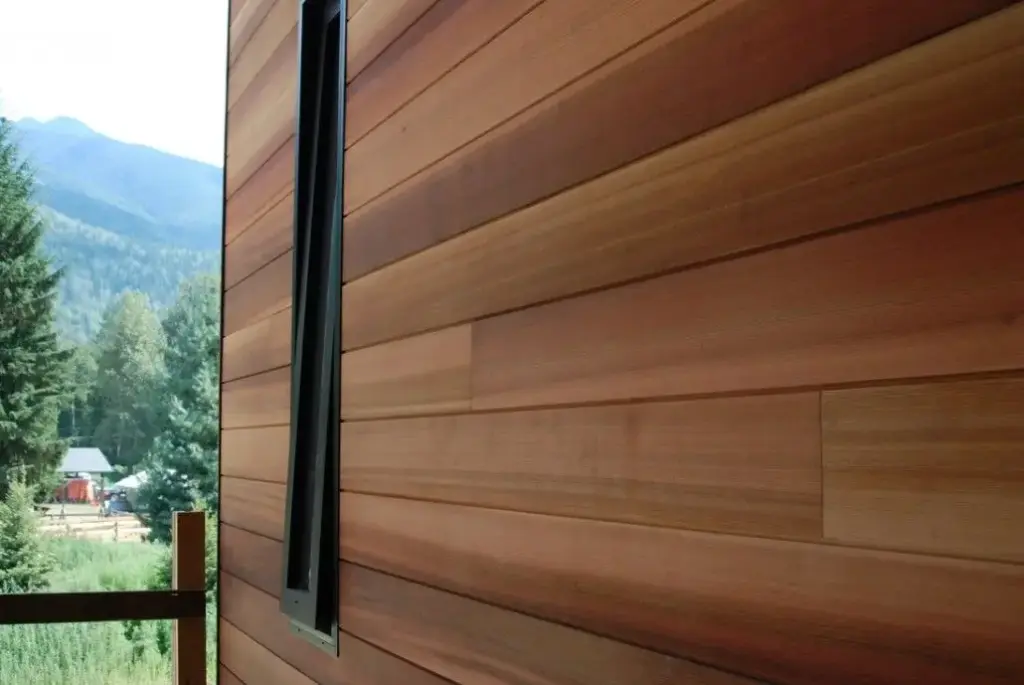
Cedar siding is a type of exterior cladding made from the timber of the Western Red Cedar (Thuja plicata) or its close relative, the Northern White Cedar. Because cedar’s cellular structure contains natural oils and resins, the wood resists rot, insects, and warping better than many other softwoods. In 2026, the Best Siding for House in 2026 report ranked cedar among the top three natural wood options for residential exteriors, noting its superior thermal performance compared with conventional lap siding.
Why Choose Cedar Siding in 2026?
1. Aesthetic Flexibility
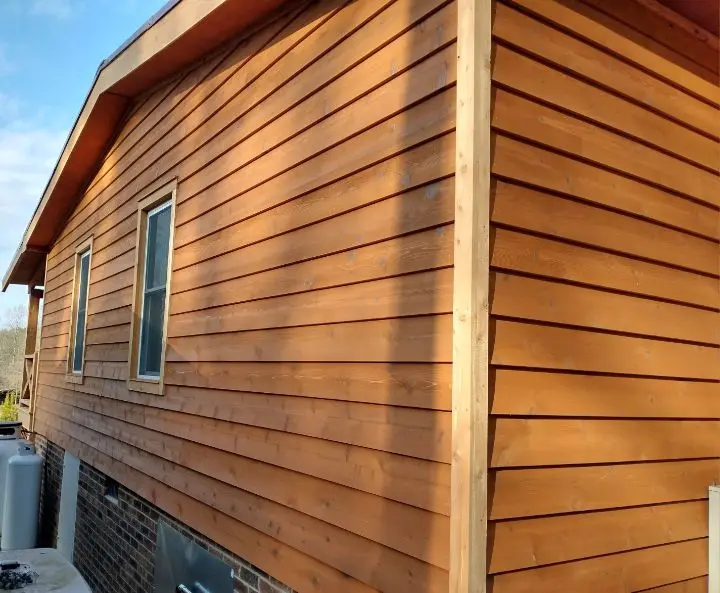
From classic horizontal clapboards to the rugged look of cedar shakes, the material adapts to a wide range of architectural styles. Homeowners can stain, paint, or let the wood age to a soft silver‑gray patina, allowing the façade to evolve with the surrounding landscape.
Table of Contents
- What Exactly Is Cedar Siding?
- Why Choose Cedar Siding in 2026?
- 1. Aesthetic Flexibility
- 2. Energy‑Efficient Cladding
- 3. Weather Resistance
- 4. Sustainable and Low‑Impact
- Installation Essentials – Getting It Right the First Time
- Maintenance Tips – Keeping Cedar Looking Fresh
- Cost Considerations – What to Expect in 2026
- How Cedar Siding Stacks Up Against Other Popular Options
- Emerging Trends in Cedar Siding for 2026
- Common Mistakes to Avoid
- Frequently Asked Questions
- Is cedar siding fire‑resistant?
- Can I install cedar siding over existing vinyl?
- How does cedar siding affect resale value?
- What’s the best stain for cedar?
- Is cedar siding suitable for coastal areas?
- Final Thoughts – Is Cedar Siding Right for You?
2. Energy‑Efficient Cladding
The inherent air‑pockets within cedar act as a natural insulator. According to the U.S. Department of Energy’s 2025 Residential Energy Consumption Survey, homes with cedar siding achieve an average R‑value increase of 0.5–0.7 per inch of board thickness, translating to roughly 5‑7% lower heating costs in colder climates.
3. Weather Resistance
In the Pacific Northwest, where rain is a year‑round companion, cedar’s natural resistance to moisture makes it a reliable choice. The 2026 Forest Products Laboratory study showed that untreated cedar exposed to 15,000 hours of simulated rain retained over 90% of its structural integrity, far surpassing pine or fir alternatives.
4. Sustainable and Low‑Impact
When sourced from responsibly managed forests certified by the Forest Stewardship Council (FSC), cedar siding carries a minimal carbon footprint. The wood continues to sequester carbon throughout its service life, contributing to a greener building envelope.
Installation Essentials – Getting It Right the First Time
Even the finest cedar will suffer if installed incorrectly. Below are the key steps that ensure a long‑lasting, weather‑tight system.
- Moisture Barrier: Apply a breathable housewrap (e.g., Tyvek) before installing the boards. This layer allows trapped moisture to escape while keeping wind-driven rain out.
- Proper Ventilation: Leave a ¼‑inch gap between the sheathing and the siding to promote airflow. This practice, recommended by the National Association of Home Builders (2025), helps prevent mold.
- Flashing Details: Use metal flashings around windows, doors, and roof intersections. The Gutter Leaf Guard Guide 2026 emphasizes that good flashing works hand‑in‑hand with effective gutter protection to keep water away from the siding.
- Fastening Technique: Stainless steel or hot‑dipped galvanized nails are a must. Space nails 16 inches apart vertically and 12 inches horizontally to accommodate natural wood movement.
- Staggered Joints: Overlap each board by at least 1 inch to create a shingle‑style water shed, especially for horizontal clapboards.
Maintenance Tips – Keeping Cedar Looking Fresh
While cedar is low‑maintenance compared with many exotic woods, a few simple tasks extend its life and keep the façade vibrant.
- Annual Inspection: Look for signs of water intrusion, loose nails, or fading paint.
- Cleaning: Use a low‑pressure garden hose and a mild detergent once a year; avoid power washing, which can force water behind the boards.
- Re‑Staining or Painting: Reapply a UV‑blocking finish every 3–5 years, especially in sun‑intensive zones.
- Seal Gaps: Apply a high‑quality exterior caulk to any cracks that develop around trim.
Cost Considerations – What to Expect in 2026
According to a 2026 market analysis by HomeAdvisor, the average material cost for cedar siding ranges from $4.50 to $7.00 per square foot, depending on grade and finish. Installation labor adds roughly $3.00–$5.00 per square foot, placing total project costs between $7.50 and $12.00 per square foot. While this price point is higher than vinyl or LP Smart Siding, the long‑term energy savings and resale value often offset the initial outlay.
How Cedar Siding Stacks Up Against Other Popular Options
Choosing the right exterior cladding often feels like a balancing act between aesthetics, performance, and budget. Below is a quick comparison that highlights cedar’s niche.
| Feature | Cedar Siding | Hardie Plank (Fiber Cement) | LP Smart Siding | Vinyl Siding |
|---|---|---|---|---|
| Natural Appearance | High – authentic wood grain | Moderate – wood‑look panels | High – engineered wood texture | Low – synthetic |
| R‑Value (per inch) | 0.9–1.2 | 0.5 | 0.7 | 0.2 |
| Durability (years) | 30‑50 (with maintenance) | 40‑60 | 30‑40 | 20‑30 |
| Maintenance | Periodic staining/painting | Minimal (paint once) | Occasional resealing | Very low |
| Environmental Impact | Low (renewable, carbon‑sequestering) | Moderate (mineral mix) | Moderate (engineered wood) | High (plastic) |
For readers interested in deeper dives, see our Hardie Plank Siding 2026 guide or the LP Smart Siding Review 2026 for a side‑by‑side performance analysis.
Emerging Trends in Cedar Siding for 2026
Industry forecasts from the North American Wood Siding Association (2026) point to three notable trends:
- Engineered Cedar Panels: Combining traditional cedar with a thin layer of engineered composite improves dimensional stability while retaining the natural look.
- Integrated Insulation Systems: Some manufacturers now offer pre‑installed rigid foam behind the cedar boards, boosting overall R‑value without extra construction steps.
- Eco‑Label Certifications: More suppliers are advertising FSC‑certified or Climate‑Positive labeling, appealing to green‑conscious homeowners.
These developments echo the broader shift toward “rustic yet smart” home exteriors, a theme also explored in our Cedar Shake Siding 2026 article.
Common Mistakes to Avoid
Even seasoned builders can stumble when working with cedar. Below are the most frequent pitfalls and how to sidestep them.
- Skipping the Breathable Barrier: Using an impermeable plastic sheet traps moisture, leading to rot. Opt for a vapor‑permeable housewrap instead.
- Over‑Fastening: Driving nails too deep compresses the wood fibers, causing cracking over time. Keep nail heads just below the board surface.
- Ignoring Expansion Gaps: Cedar expands and contracts with humidity. Failing to leave adequate joint gaps results in buckling.
- Choosing Low‑Grade Wood: Low‑grade, knot‑heavy boards may look rustic but are more prone to decay. Invest in grade A or B cedar for longevity.
Frequently Asked Questions
Is cedar siding fire‑resistant?
All wood, including cedar, is combustible. However, many cedar products are treated with fire retardants that achieve a Class B rating per ASTM E84 standards. For higher fire zones, consider a fiber‑capped cedar or a combination with non‑combustible trim.
Can I install cedar siding over existing vinyl?
Yes, but you must first remove the vinyl, assess the sheathing, and install a proper weather barrier. Installing directly over vinyl can trap moisture and void warranties.
How does cedar siding affect resale value?
According to the 2026 National Real Estate Survey, homes with natural wood exteriors command a 5‑8% premium over comparable houses with synthetic siding, largely due to perceived quality and curb appeal.
What’s the best stain for cedar?
Oil‑based stains with UV inhibitors provide the deepest penetration and longest protection. Brands like Cabot and Sikkens are frequently recommended by the American Wood Protection Association.
Is cedar siding suitable for coastal areas?
While cedar resists moisture, salt air can accelerate wear. In coastal zones, pair cedar with a high‑quality marine‑grade finish and ensure regular cleaning to remove salt deposits.
Final Thoughts – Is Cedar Siding Right for You?
If you value a natural, rustic aesthetic, want to improve your home’s energy profile, and are prepared for a modest maintenance schedule, cedar siding remains a compelling choice in 2026. By selecting high‑grade, sustainably sourced boards and following best‑practice installation methods, you can enjoy a beautiful, weather‑resistant façade that adds both comfort and resale value.
Ready to explore other exterior options? Our Board and Batten Siding 2026 guide offers a complementary look, while the Stone Veneer article dives into masonry‑style alternatives for those seeking a more substantial texture.
Whether you choose cedar, fiber cement, or a hybrid system, the key to a successful exterior remodel lies in thorough planning, quality materials, and skilled craftsmanship.
