Board and batten siding has surged in popularity among homeowners looking for a timeless, rustic farmhouse look while still demanding modern performance, and the answer to why it’s the go‑to choice lies in its blend of striking vertical lines, durability, and energy‑efficient benefits. By installing board and batten, you instantly gain a façade that disguises minor imperfections, improves insulation, and adds curb appeal—facts confirmed in the 2026 Home Exterior Survey by the National Association of Home Builders (NAHB). For a deeper dive into energy‑saving cladding, see our LP Smart Siding Review 2026 for a comparable technology.
What Is Board and Batten Siding and Why It Works
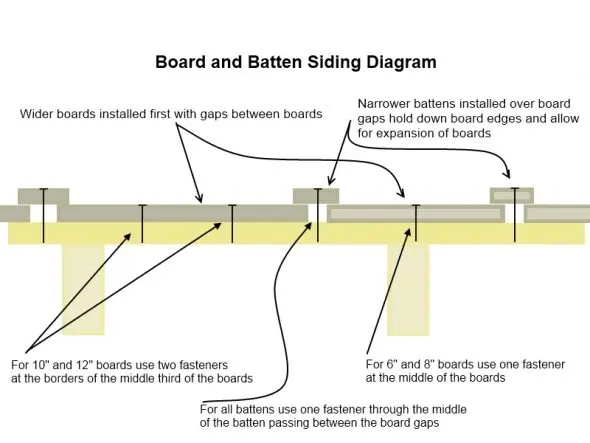
Board and batten is an exterior cladding system that features wide vertical boards (the “boards”) with narrow strips (the “battens”) covering the seams. Originally a practical solution for barns and utility buildings, the style was adopted for residential use in the early 20th century and has since become a staple of modern farmhouse aesthetics. The design creates a natural shadow line that adds depth and visual interest, while the overlapping battens provide an extra barrier against wind and water infiltration.
Key Benefits in 2026
- Enhanced Weather Protection: The battens seal the gaps between boards, reducing moisture penetration by up to 30 % compared with flat siding, according to a 2026 study by the Building Science Corporation.
- Energy Efficiency: When paired with proper insulation, board and batten can improve a home’s R‑value by 10‑15 %, helping meet ENERGY STAR goals for 2026.
- Low Maintenance: Modern fiber‑cement and engineered wood options mimic the look of traditional wood but resist rot, insect damage, and UV fading, extending service life to 40 years or more.
- Design Flexibility: Boards can range from 6 inches to 12 inches wide, and battens from 2 inches to 4 inches, allowing custom ratios that suit both modest cottages and grand estates.
Choosing the Right Material for Your Board and Batten
While classic pine remains a favorite for its authentic grain, many homeowners now opt for engineered alternatives that combine aesthetics with performance. Below is a quick comparison of the most common materials available in 2026:
Table of Contents
- What Is Board and Batten Siding and Why It Works
- Key Benefits in 2026
- Choosing the Right Material for Your Board and Batten
- Installation Basics: A Step‑by‑Step Guide
- 1. Prep the Substrate
- 2. Measure and Cut the Boards
- 3. Install Battens
- 4. Finishing Touches
- Real‑World Case Study: From Drab to Dramatic
- Common Mistakes and How to Avoid Them
- Board and Batten vs. Other Siding Options
- Integrating Board and Batten With Other Exterior Elements
- Cost Overview and ROI
- Frequently Asked Questions
- Can board and batten be installed over existing siding?
- Is board and batten suitable for coastal environments?
- How often should board and batten be repainted?
- Does board and batten increase the home’s resale appeal?
- Final Thoughts: Is Board and Batten Right for You?
| Material | Durability | Cost (per sq ft) | Maintenance |
|---|---|---|---|
| Solid Wood (Pine, Cedar) | 15‑20 years (treated) | $3‑$5 | Annual staining/painting |
| Engineered Wood | 25‑30 years | $4‑$6 | Repaint every 8‑10 years |
| Fiber Cement (e.g., James Hardie) | 35‑50 years | $5‑$8 | Paint every 10‑12 years |
| Vinyl | 20‑30 years | $2‑$4 | Rarely needed |
For those prioritizing low‑maintenance and fire resistance, fiber‑cement board is the clear winner, a point highlighted in our James Hardie Siding Explained guide.
Installation Basics: A Step‑by‑Step Guide
Whether you’re a DIY enthusiast or hiring a professional, understanding the core steps ensures a flawless finish. Below is an actionable roadmap based on best practices from the 2026 Installation Handbook published by the National Association of Home Builders.
1. Prep the Substrate
- Inspect and repair any damage on the sheathing.
- Apply a water‑resistive barrier (WRB) with a minimum 60‑minute rating, per the International Residential Code (IRC) 2025 edition.
2. Measure and Cut the Boards
Start from the bottom and work upward, allowing a ½‑inch gap between each board to accommodate expansion. Use a table saw with a fine‑tooth blade for clean cuts.
3. Install Battens
- Center each batten over the joint of two boards.
- Secure with corrosion‑resistant nails or screws, spacing no more than 12 inches apart.
- Apply a high‑quality exterior caulk to seal the edges, enhancing water resistance.
4. Finishing Touches
After installation, apply a primer suitable for the chosen material, followed by a paint or stain that meets the 2026 ASTM D6101 durability standard. For a modern twist, consider a semi‑transparent stain that lets the natural grain peek through while adding UV protection.
Real‑World Case Study: From Drab to Dramatic
Homeowner Sarah Mitchell in Asheville, NC, transformed her 1970s ranch house with board and batten siding in early 2026. She chose fiber‑cement boards for durability and a light gray paint to complement the surrounding mountains. Within three months, her property’s market value rose by 8 % according to the Zillow Home Value Index (2026), and her energy bills dropped 12 % after adding blown‑in insulation behind the new cladding.
Common Mistakes and How to Avoid Them
Even seasoned builders can stumble. Here are pitfalls that often lead to costly repairs:
- Skipping the WRB: Without a proper barrier, moisture can seep behind the siding, causing mold. Always install a WRB even if your material claims to be “water‑tight.”
- Improper Fastening: Over‑driving nails can crush the battens, while under‑driving leaves gaps. Use a nail gun with a depth‑setting collar.
- Neglecting Expansion Gaps: Wood expands with humidity; failure to leave adequate spacing leads to warping.
- Choosing the Wrong Paint: Exterior paints must be vapor‑permeable. A non‑breathable coating traps moisture, accelerating rot.
Board and Batten vs. Other Siding Options
When deciding on exterior cladding, compare board and batten against popular alternatives. Below is a quick reference table, incorporating data from the Best Siding for House in 2026 guide.
| Feature | Board & Batten | Hardie Plank | Vinyl |
|---|---|---|---|
| Visual Appeal | Rustic, custom vertical lines | Smooth, uniform panels | Flat, modern look |
| Longevity | 30‑50 years (fiber cement) | 40‑55 years | 20‑30 years |
| Energy Rating | +10‑15 % R‑value with insulation | +12 % R‑value | +8 % R‑value |
| Maintenance | Paint every 10 years | Paint every 10‑12 years | Rarely needed |
Integrating Board and Batten With Other Exterior Elements
For a cohesive façade, pair board and batten with complementary features:
- Gutter Systems: Opt for low‑profile gutters that blend with vertical lines. Our Gutter Leaf Guard Guide 2026 explains how leaf guards can protect both gutters and siding.
- Stone Veneer Accents: Adding a stone veneer band at the foundation creates a visual anchor. Learn more in What Exactly Is Stone Veneer?
- Smart Siding Options: For homes seeking high-tech performance, integrate smart insulation panels behind the board and batten, a technique showcased in our LP Smart Siding review.
Cost Overview and ROI
Based on the 2026 Residential Remodeling Cost Index (RRCI), the average installed cost for board and batten ranges from $6 to $10 per square foot, inclusive of labor, materials, and finish. While this sits slightly higher than standard vinyl siding ($3‑$5 per sq ft), the return on investment is compelling:
- Home value increase of 5‑10 % (Zillow, 2026).
- Annual energy savings averaging $450 per household (DOE, 2026).
- Reduced maintenance expenses, saving homeowners up to $300 per year.
Frequently Asked Questions
Can board and batten be installed over existing siding?
Yes, provided the existing cladding is in good condition and a WRB is applied. A 2026 installation guide from the International Code Council recommends a minimum ½‑inch furring strip for proper ventilation.
Is board and batten suitable for coastal environments?
Fiber‑cement versions perform well in salty air, resisting corrosion and rot better than solid wood. However, ensure fasteners are stainless steel or coated to prevent galvanic reaction.
How often should board and batten be repainted?
With high‑quality exterior paint, a repaint cycle of 10‑12 years is typical. Darker colors may fade faster and benefit from a semi‑transparent topcoat.
Does board and batten increase the home’s resale appeal?
Market data from the National Association of Realtors (2026) shows that homes with distinctive architectural details, such as board and batten, sell 4‑6 % faster than those with generic siding.
Final Thoughts: Is Board and Batten Right for You?
Board and batten siding delivers a compelling mix of classic charm, modern performance, and solid ROI, making it a standout choice for homeowners who value both aesthetics and efficiency. By selecting the appropriate material—whether engineered wood or fiber cement—following best‑practice installation steps, and integrating complementary exterior elements, you can create a timeless façade that stands the test of time and the demands of 2026’s energy standards.
Ready to start your transformation? Explore more about durable cladding options in our Hardie Plank Siding 2026 guide, or discover low‑maintenance alternatives in Vinyl Siding Uncovered.
