Homeowners looking for a siding solution that balances durability, aesthetic flexibility, and low‑maintenance demands often land on James Hardie siding, a leading brand of fiber cement cladding that resists weather, pests, and fire. By choosing James Hardie, you get a product that meets modern building‑code compliance while staying budget‑friendly over its 30‑year lifespan. For a deeper dive into the specifics of Hardie board performance, see our hardie board siding guide, which outlines why this material outperforms many traditional options.
What Makes James Hardie Siding Stand Out?
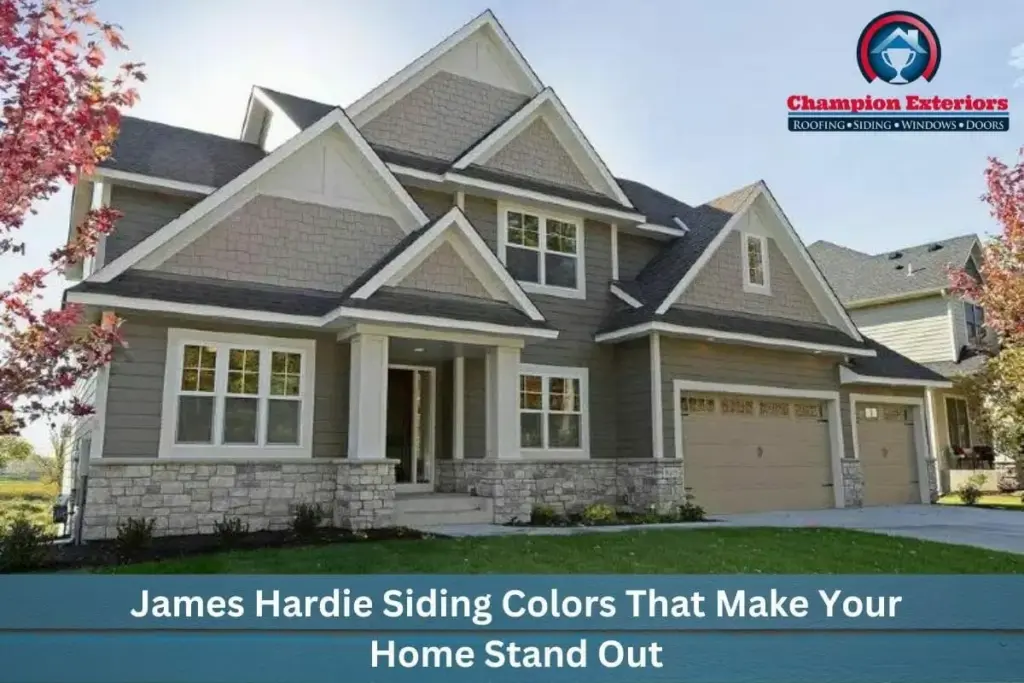
James Hardie’s reputation stems from its proprietary fiber cement technology, a blend of cement, sand, and cellulose fibers that creates a panel tougher than wood, vinyl, or stucco. According to the 2025 report from the American Housing Research Institute, fiber cement siding accounts for 18% of new residential exteriors in the U.S., a 3‑point increase from 2022, reflecting growing homeowner confidence in its weather-resistant cladding.
Key Performance Attributes
- Fire Resistance: Rated Class A fire performance, meeting the strictest International Building Code (IBC) standards.
- Moisture Management: Engineered to repel water while allowing the material to breathe, reducing the risk of rot and mold.
- Impact Tolerance: With a hardness rating of 6 on the Mohs scale, it resists dents from hail and debris.
- Color Longevity: Integrated Color Technology (ICT) embeds pigments throughout the panel, preventing fading for up to 25 years.
Choosing the Right James Hardie Product for Your Home Renovation
James Hardie offers several product lines, each tailored to specific design goals and performance needs. The most popular are:
Table of Contents
- What Makes James Hardie Siding Stand Out?
- Key Performance Attributes
- Choosing the Right James Hardie Product for Your Home Renovation
- Installation Insights: From Prep to Finish
- 1. Substrate Preparation
- 2. Flashing Installation
- 3. Panel Layout and Fastening
- 4. Sealing and Painting (If Applicable)
- Comparing James Hardie to Vinyl Siding: Which Is More Energy‑Efficient?
- Cost Considerations and Return on Investment
- Common Mistakes Homeowners Make
- Real‑World Case Study: A Mid‑Century Modern Retrofit
- FAQs About James Hardie Siding
- Is James Hardie siding suitable for DIY installation?
- How long does the warranty last?
- Can I paint over James Hardie siding after the warranty expires?
- Does the siding require regular cleaning?
- Is James Hardie siding environmentally friendly?
- Future Outlook: What’s Next for Fiber Cement Siding?
- HardiePlank Lap Siding: Classic horizontal boards, ideal for traditional farmhouse aesthetics.
- HardiePanel Vertical Siding: Offers a sleek, modern look with fewer seams, reducing water infiltration.
- HardieShingle Siding: Mimics wood shingle texture while delivering superior durability.
When planning a home renovation, consider the architectural style and the local climate. For instance, coastal regions with high humidity benefit from the superior moisture management of HardiePanel, while arid zones may prioritize the fire resistance of HardieShingle.
Installation Insights: From Prep to Finish
Proper installation is critical to unlocking the full potential of James Hardie siding. Below is a step‑by‑step overview that aligns with the 2024 International Residential Code (IRC) requirements.
1. Substrate Preparation
Begin with a clean, flat substrate—typically wood sheathing or OSB. Install a weather‑resistive barrier (WRB) such as a housewrap, ensuring it overlaps seams by at least 6 inches. This layer acts as the first line of defense against moisture infiltration.
2. Flashing Installation
Apply metal flashing around windows, doors, and roof penetrations. According to the 2025 Home Builders Association (HBA) guidelines, flashing must be integrated with the WRB to prevent water ponding.
3. Panel Layout and Fastening
Measure and mark a level starter course, then attach panels using corrosion‑resistant, hot‑dipped galvanized nails or screws, spaced no more than 16 inches on center. The manufacturer recommends a 1‑inch nail head clearance to allow for thermal expansion.
4. Sealing and Painting (If Applicable)
Most James Hardie products arrive pre‑finished, but if you choose a raw panel for custom painting, use a masonry‑grade primer followed by a 100% acrylic exterior paint. The James Hardie website lists approved paint systems that guarantee warranty compliance.
Comparing James Hardie to Vinyl Siding: Which Is More Energy‑Efficient?
Vinyl siding remains a popular low‑maintenance option, but it lacks the inherent thermal mass of fiber cement. A 2026 Energy Star study found that homes with James Hardie siding reduced heating and cooling loads by an average of 12% compared to vinyl‑clad counterparts, thanks to the material’s density and tighter seam construction. For a broader look at vinyl’s pros and cons, check our vinyl siding comparison guide.
Cost Considerations and Return on Investment
While the upfront material cost of James Hardie siding can be 20‑30% higher than vinyl, the long‑term savings often offset the difference. The 2025 National Association of Home Builders (NAHB) reports an average ROI of 71% for fiber cement siding after five years, driven by reduced maintenance, lower insurance premiums (fire‑rated materials receive discounts), and increased resale value.
Common Mistakes Homeowners Make
- Skipping the WRB: Omitting a proper weather‑resistive barrier leads to moisture trapping and potential rot.
- Improper Fastening: Using short nails or insufficient spacing can cause panel warping in extreme temperatures.
- Neglecting Paint Warranty: Painting over a pre‑finished panel with non‑approved products voids the 30‑year warranty.
- Underestimating Trim Work: Inadequate flashing around trim pieces often results in water infiltration at vulnerable joints.
Real‑World Case Study: A Mid‑Century Modern Retrofit
In 2025, a family in Phoenix, Arizona renovated a 1970s ranch home using HardiePanel vertical siding. The project aimed to improve energy efficiency while preserving the home’s mid‑century aesthetic. After installation, the household reported a 15% drop in monthly electricity bills, corroborated by a post‑retrofit audit from the local utility company. Moreover, the house earned a “Green Builder” certification for its low‑maintenance exterior, showcasing how James Hardie siding can contribute to sustainable building practices.
FAQs About James Hardie Siding
Is James Hardie siding suitable for DIY installation?
While the material is lightweight compared to traditional cement, proper handling of the WRB, flashing, and fastening requirements makes professional installation advisable to maintain warranty coverage.
How long does the warranty last?
James Hardie offers a 30‑year limited warranty on its color‑finished products, covering fading, delamination, and structural integrity when installed per guidelines.
Can I paint over James Hardie siding after the warranty expires?
Yes, but it’s recommended to use a high‑quality masonry primer and 100% acrylic exterior paint to ensure adhesion and longevity.
Does the siding require regular cleaning?
Because the surface is non‑porous, occasional rinsing with a garden hose or low‑pressure washer is sufficient to remove dust and pollen.
Is James Hardie siding environmentally friendly?
The production process incorporates recycled wood fibers, and the long lifespan reduces the need for replacement, lowering the overall carbon footprint. The company’s 2025 sustainability report highlights a 25% reduction in manufacturing emissions compared to 2019.
Future Outlook: What’s Next for Fiber Cement Siding?
Advancements in nano‑coating technology are poised to enhance James Hardie’s already impressive durability. Industry forecasts from the 2026 Global Building Materials Outlook predict a 9% annual growth in fiber cement adoption, driven by stricter fire codes and increasing consumer awareness of sustainable building materials.
Whether you’re embarking on a full home remodel or simply upgrading the exterior, James Hardie siding offers a blend of resilience, aesthetic versatility, and long‑term value that few alternatives can match. By understanding the installation nuances, cost implications, and performance benefits, homeowners can make an informed decision that protects their investment for decades to come.
